




PayPal Nigeria is finally back, and this time, it’s not just another rumour. Through a new partnership with Paga, Nigerians can now receive payments from over 200 countries, withdraw in naira, and even get money from Venmo users in the United States. For freelancers, online sellers, creators, remote workers, and small business owners who have waited for years to receive PayPal payments without stress, this could be a major shift. But before you rush in, there are important things to know about the fees, account limits, possible risks, and how the PayPal and Paga partnership really works.
What Actually Happened
For over 20 years, Nigerian freelancers, online sellers, and small business owners have had to watch the rest of the world use PayPal freely while they were largely locked out. Receiving money from international clients was either impossible, restricted, or involved expensive workarounds. That chapter is now closing.
PayPal announced a strategic partnership with Paga , one of Nigeria’s most established and licensed fintech companies, in January 2026. The deal gives Nigerians access to PayPal’s global payments network for the first time in decades and this time, the access is real.
Nigerian users can now link their PayPal accounts to their Paga wallets, receive payments from more than 200 countries, and withdraw funds in naira almost instantly. Venmo users in the United States and that is a very large number of people can now send money directly to Nigerian Paga users through this partnership.
This is not a rumour. This is not a trial. It is live.
The Story Behind the Partnership
This deal did not happen overnight. Paga’s founder and CEO Tayo Oviosu first approached PayPal about working together back in 2013 according to TechCabal . PayPal said no. Nigerian fintech was too early, too small, too risky in their view.
What happened next is the real story. While PayPal stayed away, Nigerians built their own ecosystem. Paga, Flutterwave, Paystack, Opay, and others built payment rails that processed trillions of naira in transactions every year. By 2024, digital payments within Nigeria had grown to ₦1.07 quadrillion without PayPal being a meaningful part of that number. In 2025 alone, Paga processed ₦17 trillion across 169 million transactions.
Nigeria did not need PayPal. Nigeria built around PayPal. Now that the market is undeniable, PayPal wants back in.
Oviosu kept communication open over all those years. Eventually PayPal came back to the table and this time they were the ones asking. That context matters when you read PayPal’s statement that “Nigeria is one of the most entrepreneurial and globally connected markets in Africa.” They are right. But that was also true in 2013. The difference now is that they can no longer afford to ignore it.
How It Works Step by Step
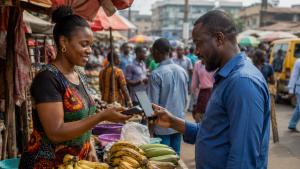
The process is simple once your accounts are set up on both sides.
You link your existing PayPal account to your Paga wallet. If you do not have a Paga account yet, you create one on the Paga website or through the Paga app, verify your identity using your BVN and a valid ID, then link it to PayPal.
Once linked, international clients, employers, or buyers anywhere in the world can pay you through PayPal. The funds land in your PayPal account and you withdraw to your Paga wallet in naira. You can also choose to hold your balance in dollars and spend globally wherever PayPal is accepted useful if you regularly buy tools, subscriptions, or services priced in dollars.
The bridge between the dollar side and the naira side is Paga’s locally regulated infrastructure. PayPal handles the international network. Paga handles the Nigerian end. Together they remove the gap that has frustrated Nigerian internet workers for two decades.
Who This Helps Most
This is not equally useful for every Nigerian. The people who benefit most are specific.
Nigerian freelancers who work with international clients are the biggest winners here. If you do design, writing, development, video editing, virtual assistance, or any digital service for clients in the US, UK, Europe, or elsewhere and you have struggled to get paid this partnership directly solves your problem. You finally have a payment option that your international clients already trust and use every day.
Nigerian online sellers who accept orders from international buyers now have a more recognisable payment option. Many foreign buyers are more comfortable paying through PayPal than through local alternatives they have never heard of. Accepting PayPal could genuinely increase your conversion rate.
Nigerians in the diaspora who send money home to family members, employees, or business partners can now do so through a platform they already use especially Venmo users in the United States who can send directly to Paga users in Nigeria.
If you are curious how this compares to what MTN Momo offers for local transactions, read our full breakdown of MTN Momo in Nigeria the two serve quite different use cases.
What This Does Not Fix Be Honest With Yourself
PayPal’s return is good news. But there are things it does not automatically solve and you need to know them before you route important payments through this system.
PayPal’s history with Nigerian accounts has not always been smooth. Account limitations, frozen funds, and sudden restrictions have affected Nigerian users in the past. A new partnership with Paga does not erase that history or guarantee it will not happen again. Start with small transactions before you depend on this system for serious income.
The full fee structure has not been publicly confirmed at the time of writing. Both currency conversion fees and withdrawal fees will apply. Tech Embed recommends checking PayPal Nigeria’s official page and Paga’s fee information before your first transaction. Do not rely on what anyone tells you on WhatsApp or Twitter check the official sources yourself.
Transaction limits also apply depending on your verification level on both platforms. Unverified accounts will have lower limits. If you want to receive large international payments, make sure both your PayPal and Paga accounts are fully verified before you need it.
Finally you need a Paga account specifically. Your GTBank account, your Opay wallet, your Palmpay account none of those connect to this partnership. It is Paga only for now. If Paga is not your primary fintech app, you will need to create and verify a new account before you can access any of this. For context on how Nigeria’s biggest fintech players are positioning themselves, read our report on Opay’s $4 billion US IPO plans.
What to Do Right Now
If you are a Nigerian freelancer or online seller who has been waiting for this moment, here are the exact steps to take today:
Check if you already have a Paga account. If yes, open the app and look for the PayPal linking option. If no, download the Paga app, create an account, and complete verification with your BVN and valid ID before anything else.
Once your Paga account is verified, follow the PayPal linking steps inside the app. Make sure the email address on your PayPal account matches the details on your Paga account to avoid verification errors.
Before routing any real client payment through this system, do a small test transaction even just a few dollars to confirm everything works on your specific account setup.
Check the current fees and limits on both the official PayPal and Paga websites. These may change as the partnership develops, so check them fresh each time rather than relying on what you read today.
Tech Embed Analysis

The PayPal and Paga partnership is genuinely important but the most interesting thing about it is not PayPal’s return. It is what the return reveals about Nigeria’s fintech maturity.
PayPal left Nigeria’s freelancers and online sellers without a reliable international payment solution for nearly two decades. In that time, Nigerian fintechs built one of the most active digital payment ecosystems on the planet. They did not wait. They built. And now a global giant is coming back, hat in hand, to partner with the very local company that thrived in the space PayPal abandoned.
For Nigerian users, the practical advice is simple: use this partnership carefully, verify your fees, test before you trust, and do not close your Payoneer or Wise accounts just yet. Let the partnership prove itself over the next six to twelve months before you make it your primary payment method.
But if it delivers what it promises and there is real reason to believe it will this is the biggest development for Nigerian internet workers getting paid internationally since Paystack made it easy for Nigerian businesses to receive local online payments.
Tech Embed will monitor user experiences, fee changes, transaction limits, and account issues as they emerge. We will update this article when new information becomes available.
FAQs
Do I need a Paga account to use PayPal in Nigeria? Yes. The partnership works exclusively through Paga’s platform. You need a verified Paga account to link your PayPal and access naira withdrawals.
Can Venmo users in the US send money to Nigerians through this? Yes. This is one of the most useful features of the partnership. Venmo users in the United States can now send money directly to Nigerian Paga users through PayPal’s network.
What are the fees for withdrawing PayPal funds through Paga? The full fee structure has not been officially confirmed at the time of writing. Check PayPal Nigeria and Paga directly for the most current figures.
Can I still use my existing PayPal account? Yes. You link your existing PayPal account to a new or existing Paga account. You do not need to create a new PayPal account.
What if PayPal freezes my account like it did before? This is a legitimate concern. Start with small transactions and build your account history carefully. Enable two-factor authentication on both accounts and never share your login details with anyone.
How is this different from using Payoneer or Wise? Payoneer and Wise are still valid alternatives, especially if you already have accounts and a history with them. The PayPal and Paga partnership adds a new option rather than replacing what already works for you. Do not rush to switch.
Written by Tech Embed and Team. Facts verified from TechCabal, BusinessDay Nigeria, Tribune Online, CNBC Africa, and Black Enterprise. Nigerian market context included. Prices and fees not yet confirmed from official sources check PayPal Nigeria and Paga directly. This article will be updated as new information becomes available.
Source notes can be added in the editorial fields for this story.
No comments