
A preview of Nigeria’s second GITEX edition, plus an honest look at whether last year’s promises actually happened.
Nigeria hosted its first homegrown GITEX in September 2025. It drew over 600 startups from more than 20 countries, real investor meetings, and a stage full of ambitious government promises. A year later, the same event returns to Abuja and Lagos from August 31 to September 3, 2026 — bigger, under a new theme, with even larger numbers attached to it. Before covering what’s coming, it’s worth asking what actually happened last time.
What’s Actually Scheduled This Year
The second edition runs under the theme “Beyond Connectivity, The Bridge to Sovereign Innovation,” organized under the patronage of President Bola Tinubu, with backing from the Federal Ministry of Communications, Innovation and Digital Economy and NITDA.
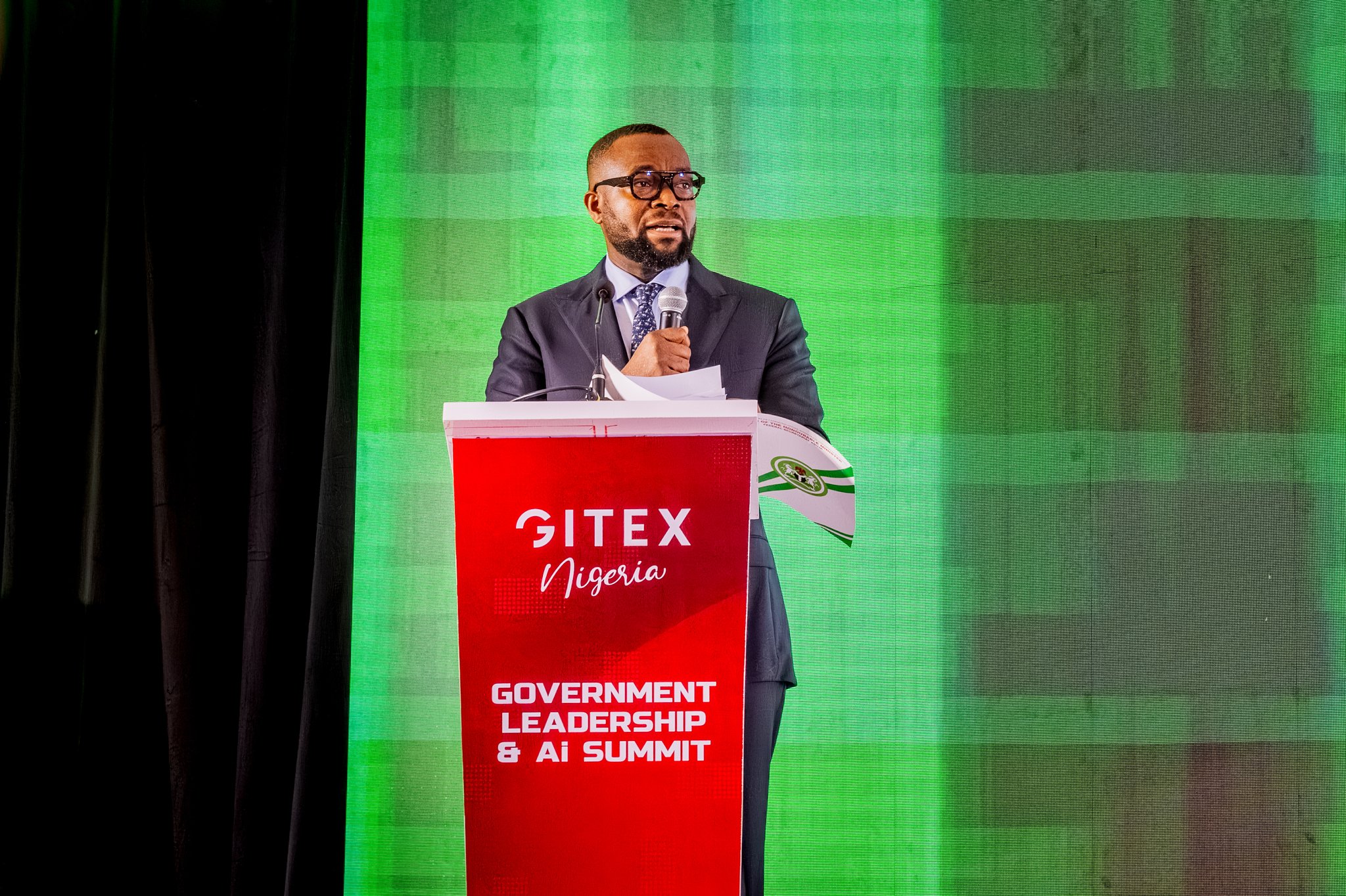
The event opens in Abuja on August 31 with the GITEX Nigeria Government Leadership and AI Summit — ministers, governors, regulators, and technology leaders discussing AI, digital identity, cybersecurity, and digital governance. It then moves to Lagos from September 2–3 for the Tech Expo, Future Economy Conference, Startup Festival, and FDX Nigeria, the finance-focused track covering digital payments, open banking, and cross-border payments.
Organizers state the investor programme lists more than 200 investors representing over $200 billion in assets under management, with over 1,000 startups and participants expected from multiple countries — figures from the organizers, not independently audited.
Real Numbers Attached to Nigeria’s Digital Push
The government cites specific progress on its 3 Million Technical Talent (3MTT) programme: 1.87 million registrations across all 774 local government areas, more than 135,000 people trained through three cohorts, over 300,000 accessing community-based learning, and roughly 15,000 job and opportunity pathways created — again, government-reported figures tied to this specific programme.
Project BRIDGE, the government’s digital infrastructure initiative, targets up to 20,000 direct jobs and more than 150,000 indirect jobs, aims to train 5,000 Nigerian youths, and is meant to push internet penetration beyond 70% while extending high-speed connectivity to underserved communities.
What Happened After the First Edition — The Part Worth Knowing Before You Get Excited About the Second
The 2025 edition made big promises: the Project BRIDGE fibre rollout, an expanded 3MTT programme, a research fund for 75 new innovation projects starting that October, and talks with global tech firms about building data centers in Nigeria. Minister Bosun Tijani told the crowd that AI would widen the gap between digitally-advanced and digitally-lagging nations, and that Nigeria couldn’t afford to fall further behind.
But stakeholders at the time raised a real, specific concern — one Tech Embed thinks is worth repeating rather than quietly dropping: Nigerian policymakers have a pattern of announcing ambitious plans at high-profile events with limited follow-through afterward. One analyst present, Jide Awe, put the real test plainly: whether the event marked an actual turning point, or just another high-profile showcase.
The minister himself offered a concrete, checkable example of the gap technology is supposed to close — Nigeria’s maize yields average around 2.5 tonnes per hectare, compared to 10–12 tonnes per hectare in Brazil, a difference he attributed largely to the absence of technology-driven farming solutions.
What This Means Going Into the 2026 Edition
If you’re attending, or covering it, the organizers’ numbers (investors, startup counts, AUM) are worth noting but treating as promotional figures, not independently verified statistics. The more useful question isn’t how big this year’s edition is — it’s whether the specific 2025 promises (the fibre rollout, the 75 research projects, the data center talks) actually happened in the twelve months between editions. That’s the story most coverage of the event won’t tell you, because it requires checking last year’s announcements against this year’s results, not just repeating this year’s press release.
Topic hub: Explore more in African Technology.
Sources and further reading
- The Sun Nigeria — GITEX Nigeria 2026 to drive Africa’s $1trn AI ambition
- The Sun Nigeria — GITEX Nigeria: Stakeholders demand results, not promises (coverage of the 2025 first edition)