

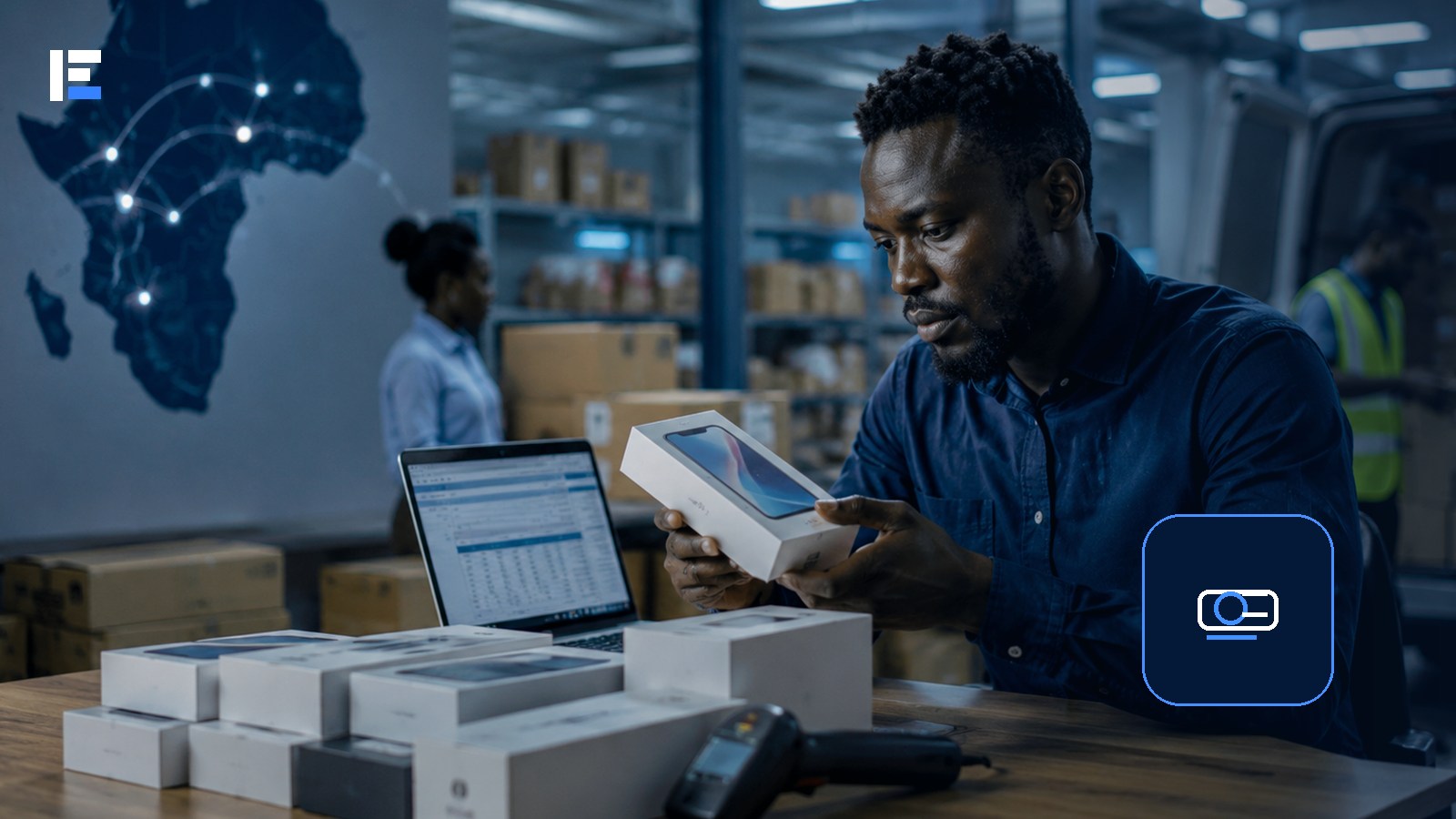
A fingerprint scanner failed three times at a government office in Enugu, and the applicant left without the service she’d traveled two hours to access — not because she wasn’t who she said she was, but because the system had no backup way to confirm it. The technology worked for most people. It didn’t work for her, and there was no plan B built in.
Digital identity is a way for a person to prove selected facts about themselves through a system that can be checked electronically — an identification number, a physical card, a mobile credential, biometric information, or a secure link between an organisation and an identity database. The goal is straightforward: confirm someone is who they claim to be when opening an account, accessing a public service, or completing a regulated transaction.
A Number Is Not the Whole System
A digital identity system includes enrolment, verification, security, correction, and governance — not just the number itself. How was the record created? Can another organisation actually rely on it? What happens when a name or date is wrong? Who can see the information? These questions matter more than the ID number printed on the card.
Where This Actually Shows Up in Daily Life
- Opening or updating a bank or mobile-money account
- Registering a SIM or recovering a locked account
- Accessing a government portal or benefit
- Completing school, health, or employment verification
- Signing into a service that needs stronger proof than just an email address
The Real Benefit — and the Real Risk of Exclusion
A reliable identity check reduces repeated paperwork and lets services reach people remotely — genuinely useful for anyone who moves often, works informally, or lives far from an office. But the same system creates a new barrier when enrolment points are hard to reach, records contain errors, biometric checks fail, or people lack the documents required to register in the first place. Children, older people, displaced people, and residents of remote areas face different versions of this same wall.
That Enugu applicant’s fingerprint failure is exactly the gap a good system needs to plan for — an alternative way to prove identity, and a clear, actually-functioning correction process. Nobody should lose access to an essential service because one device, one fingerprint reading, or one database entry doesn’t cooperate.
Five Things to Check Before You Submit Identity Information
- Confirm you’re using the official website, app, or office — not a lookalike
- Understand exactly which information is required and why it’s needed
- Never send identity documents through an unverified social media account
- Keep the reference number or receipt from every request
- Use the official correction or complaint channel the moment a record is wrong
Topic hub: Explore more in African Technology.
Digital identity can genuinely make online services easier and safer. But the technology is only one part of the answer — trust depends on accurate records, real privacy protection, accessible enrolment, and a working correction process for the moment the system inevitably fails someone.